

Safeguarding & Family Support
Higher Openshaw Community School is committed to safeguarding and promoting the welfare of children and expects all staff and volunteers to share this commitment.
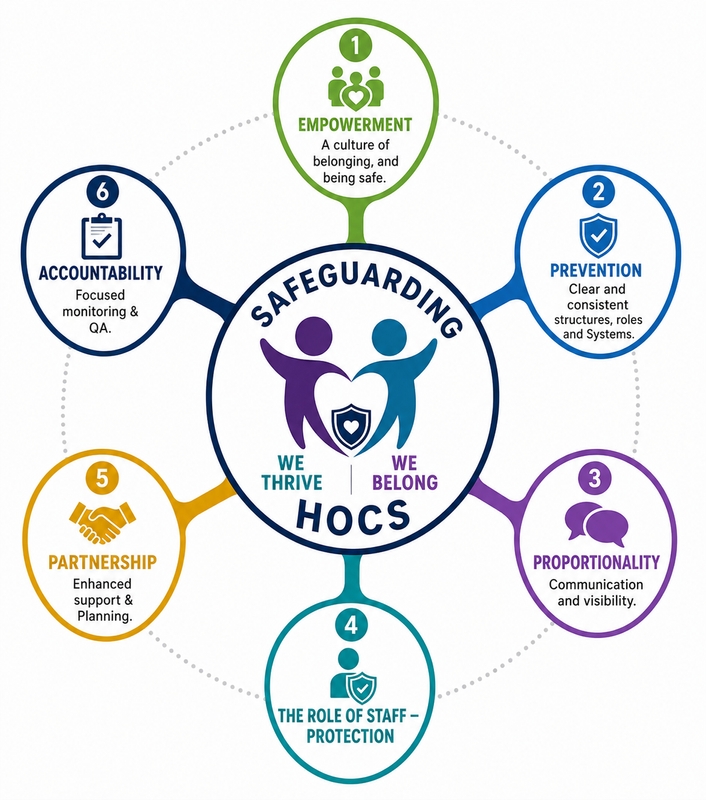
We take the welfare and safeguarding of all our primary school pupils very seriously. Our school strives to provide a safe, secure and nurturing environment for all children to flourish. We value and respect all children and recognise that every child has a right to feel safe, secure and protected from harm.
Our Safeguarding Commitment
Our safeguarding practice is fully aligned with the latest statutory guidance, including:
- Keeping Children Safe in Education (KCSIE) 2025
- Working Together to Safeguard Children (2023 & 2026)
- The Children’s Wellbeing and Schools Act (emerging 2026 legislation)
These frameworks make clear that safeguarding is:
A shared responsibility which involves protecting children from harm, promoting their welfare, and ensuring they have the best possible outcomes.
We recognise that safeguarding is broader than child protection. It includes:
- Protecting children from abuse, neglect and exploitation
- Supporting children’s mental and physical health
- Providing early help where concerns arise
- Ensuring children grow up in safe and supportive environments
- Taking action to secure the best outcomes for every child
A Child-Centred, Early Help Approach
In line with Working Together (2023) and evolving 2026 guidance, we adopt a child-centred approach, ensuring that:
- Every child is seen, heard and valued
- Concerns are identified early, not when risks escalate
- Support is coordinated through effective multi-agency working
- Families are supported through early intervention and partnership
National guidance emphasises that no single professional holds the full picture of a child’s life, so effective information sharing and joint working are essential to safeguarding success
Strong Safeguarding Culture in School
We promote a whole-school safeguarding culture where:
- Safeguarding is everyone’s responsibility
- All staff receive regular statutory training and updates
- Staff understand how to identify and report concerns immediately
- Pupils feel safe to speak to trusted adults
- Safeguarding is embedded across the curriculum and school ethos
Supporting Families and Vulnerable Pupils
We are committed to supporting pupils experiencing additional challenges, including:
- Domestic abuse
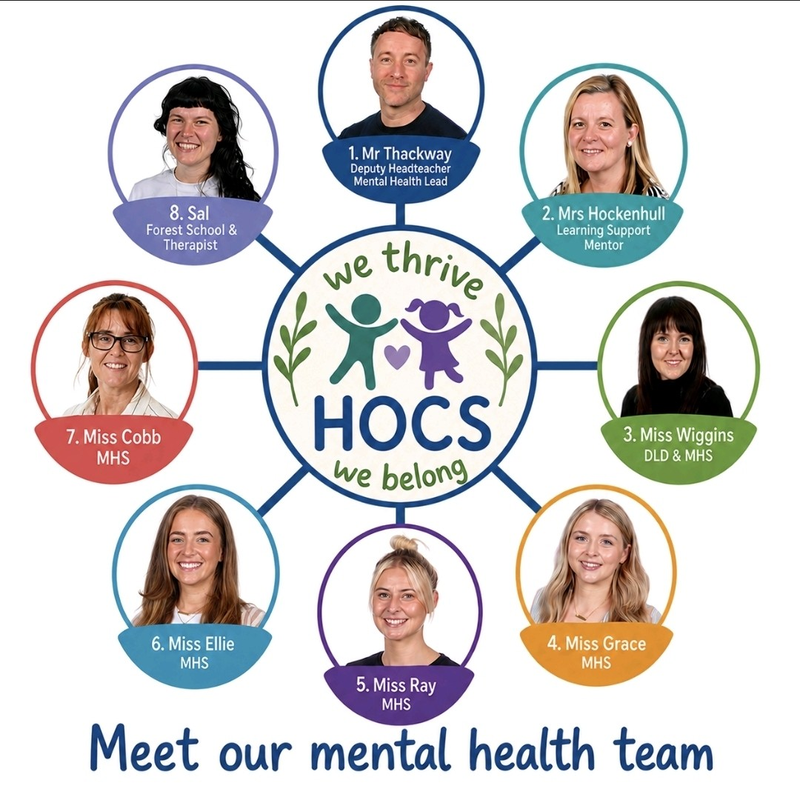
- Mental health difficulties
- Family stress or crisis
- Children in care or kinship care
- Persistent absence or disengagement
This reflects national guidance, which highlights the importance of early help and family support to prevent concerns escalating
We have a number of policies and procedures in place that contribute to our safeguarding commitment, including our Child Protection Policy which can be viewed on our website. Paper copies are also available on request.
Working in Partnership with Families and Agencies
We recognise that safeguarding is most effective when schools, families and external services work together.
We work closely with:
- Children’s Social Care
- Health professionals
- Early Help services
- Police and community services
- Local safeguarding partnerships
In most cases, we will always aim to work openly with parents and carers. However, we may share information without consent where there is a concern for a child’s safety or welfare, in line with statutory guidance.
Sometimes we may need to share information and work in partnership with other agencies, when there are concerns about a child's welfare. We will ensure that our concerns about our pupils are discussed with parents/carers first, unless we have reason to believe that such a move would be contrary to the child's welfare.
We actively support the Government's Prevent Agenda to counter radicalism and extremism.
Promoting Inclusion
At Higher Openshaw Community School, inclusion is central to our ethos. We believe that every child should feel:
- Valued
- Respected
- Represented
- Able to succeed
We actively promote inclusion through:
Inclusive Practice
- High-quality teaching adapted to meet all needs
- Support for SEND learners in line with the SEND Code of Practice
- Culturally responsive and inclusive curriculum content
- Strong pastoral support systems
Equality and Diversity
- Respect for all protected characteristics
- Challenging discrimination and promoting belonging
- Promoting positive relationships and mutual respect
Safeguarding and Inclusion
KCSIE highlights that safeguarding incorporates human rights, equality legislation and protection from discrimination, ensuring all children are equally protected.
We recognise that some children may be more vulnerable to harm, including those experiencing disadvantage, exclusion or discrimination, and we ensure targeted support is in place.
Improving Attendance
We recognise that attendance is a safeguarding priority.
National guidance identifies persistent absence as a potential indicator of safeguarding risk, including exploitation, neglect or unmet needs.
Our Approach to Attendance
In line with statutory guidance, including Working Together to Improve School Attendance, we:
- Promote excellent attendance for all pupils
- Identify patterns of absence early
- Work closely with families to remove barriers
- Provide targeted support through pastoral and family services
- Use a supportive, relational approach alongside clear expectations
Attendance as Safeguarding
We understand that children who are absent from education may be:
- At risk of harm
- Missing key support systems
- Vulnerable to exploitation
Therefore, we take swift and appropriate action when attendance concerns arise.
Designated Safeguarding Leads (DSL'S)
The DSL team is responsible for:
- Managing safeguarding concerns and referrals
- Working with external agencies
- Providing advice and support to staff
- Ensuring records are accurate and secure
- Leading safeguarding training and awareness
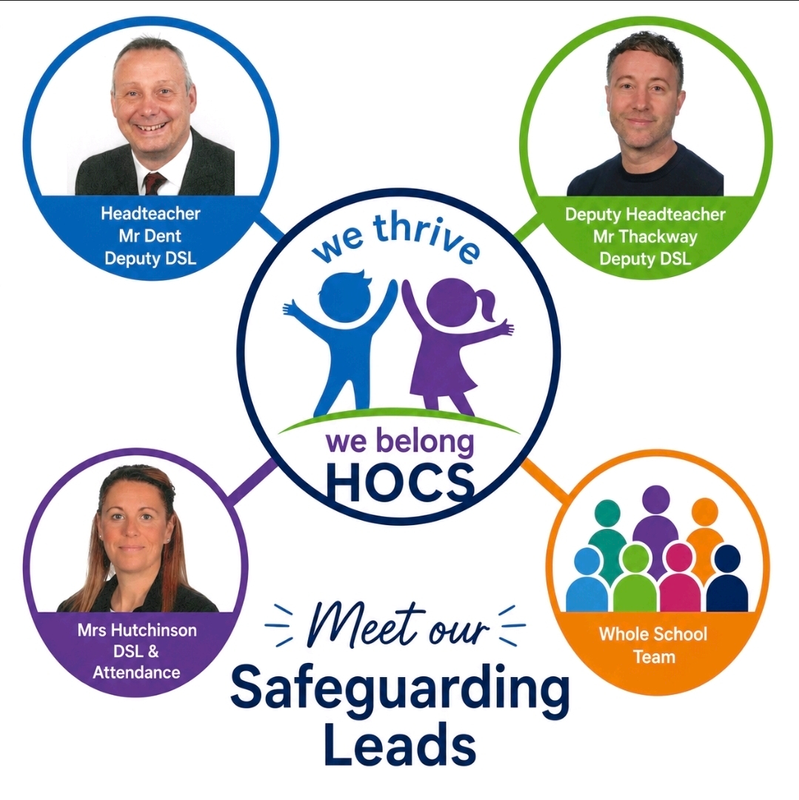
Our Designated Safeguarding Lead is Mr Dent Headteacher.
Our Deputy Designated Safeguarding Leads are Mrs Hutchinson ( SLT & Family Support )
Mr Thackway (Deputy Headteacher)
The Governor with responsibility for safeguarding in our school is Hamza Patel.
The Manchester Multi-Agency Safeguarding Hub (MASH) can be contacted on 0161 234 5001.
Childline NSPCC
Tel: 0800 1111 Tel: 0808 800 5000
Child Protection Support Services for BME Families in England
AFRUCA’s Child Protection and Family Support Service is a referral service working with parents at different stages of the child protection system. These include early intervention and care proceedings. This service enables us meet the demand for specialist cultural and country specific input into child protection cases involving children and families from Black and Minority Ethnic backgrounds. This is a national service with referrals from local authority children’s services across England. Our team of social workers liaise with others to conduct child protection assessments and provide intensive one-to-one support for families in crisis to enable them strengthen their parenting capacities and improve protection and safety for children in the family settings.
Operation Encompass is a UK initiative designed to provide early support to children and young people who are experiencing domestic abuse. The operation works by creating a direct link between the police and schools, ensuring that when the police attend a domestic abuse incident where children are present, the school is informed before the next school day.
Our school has been given the opportunity to take part in a new project that is a Police Initiative and is supported by Manchester Safeguarding Partnership.
The project, Operation Encompass, has been designed to provide early reporting to schools of any domestic abuse incidents that occur outside of school but which might have an impact on a child attending school the following day. This information will be shared on school days during the school term. When incidents occur on a Friday, Saturday or a Sunday, the police will contact the relevant school the following Monday. Please refer to the enclosed padlet information screen
In the wake of the Domestic Abuse Act 2021, the Home Office has published new statutory guidance designed to support organisations to identify and respond to domestic abuse, understand the impact on children, convey standards and promote best practice. It has explicit requirements on early years providers, schools and colleges as they have a key role in identifying concerns early, providing help for children and preventing concerns from escalating. Schools are encouraged to sign up to Operation Encompass (a police and education early information safeguarding partnership enabling schools to offer immediate support to children experiencing domestic abuse).
Domestic Abuse and Safeguarding (Family Support)
At Higher Openshaw Community School, we recognise that domestic abuse can have a significant and long-lasting impact on children’s safety, wellbeing and attendance, even where they are not the direct victim.
Our safeguarding approach is informed by:
- The Domestic Abuse Act 2021 (statutory definition and recognition of children as victims in their own right)
- Keeping Children Safe in Education (2025)
- Working Together to Safeguard Children (2023 & 2026)
- Emerging expectations within the Children’s Wellbeing and Schools Act (2026), which further strengthen the role of schools in early identification, family support and multi-agency safeguarding
Understanding the Impact of Domestic Abuse on Children
National guidance makes clear that children who see, hear or experience domestic abuse are victims of abuse and may experience:
- Emotional distress, anxiety and trauma
- Difficulties with behaviour and relationships
- Poor mental health and wellbeing
- Sleep disruption and tiredness in school
- Poor attendance or persistent absence
- Reduced ability to engage in learning
Schools have a statutory duty to recognise these risks early and intervene appropriately.
Our Approach: Early Identification and Support
In line with current and emerging legislation, we adopt a proactive, early help approach:
- Staff are trained to recognise the signs and indicators of domestic abuse
- We respond quickly to concerns, ensuring children receive timely support
- We work sensitively with families wherever it is safe to do so
- We prioritise the voice and lived experience of the child
This reflects national expectations that schools play a vital role in identifying concerns early, providing help and preventing escalation.
Operation Encompass
Higher Openshaw Community School is part of Operation Encompass, a national police and education partnership.
This means:
- When the police attend a domestic abuse incident where a child is present or lives in the household,
- The school is notified before the next school day,
- So that we can provide immediate, appropriate support for the child.
Support may include:
- A trusted adult check-in
- Emotional support or safe space
- Adjustments to the school day
- Additional pastoral or safeguarding support
Operation Encompass helps us ensure that children are supported at the earliest possible stage, reducing the impact on their wellbeing and learning.
Working with Families and External Agencies
We recognise that effective safeguarding requires strong partnerships.
We:
- Work closely with children’s social care, police, health services and Early Help teams
- Contribute to multi-agency plans and risk assessments
- Share information appropriately in line with safeguarding legislation
- Support families to access specialist domestic abuse services
In most cases, we will discuss concerns with parents and carers, unless doing so would place the child at risk.
Supporting Children Affected by Domestic Abuse
Our school provides targeted support to children affected by domestic abuse through:
- Pastoral and emotional wellbeing support
- Access to trained safeguarding staff
- Support programmes where appropriate
- Attendance monitoring and intervention
- Tailored support plans to meet individual needs
We understand that children affected by domestic abuse may also experience:
- Increased risk of safeguarding concerns
- Ongoing vulnerability
- Barriers to learning
Therefore, support is coordinated, child-centred and regularly reviewed.
Attendance and Domestic Abuse
We recognise the clear link between domestic abuse and low attendance.
National safeguarding guidance identifies that:
- Unexplained or persistent absence may be a sign of underlying safeguarding concerns, including domestic abuse
At Higher Openshaw Community School, we:
- Monitor attendance closely
- Identify patterns and concerns early
- Work supportively with families
- Provide targeted intervention through our Family Support team
Our approach is always support-first, recognising that attendance concerns often reflect wider family needs.
A Whole-School Safeguarding Culture
In line with KCSIE and emerging 2026 expectations, we ensure:
- A strong safeguarding culture where all staff feel confident to act
- Regular training on domestic abuse and contextual safeguarding risks
- A clear understanding that safeguarding is everyone’s responsibility
- A commitment to early intervention, inclusion and family support
Current and future guidance continues to emphasise that schools must take a child-centred, multi-agency, preventative approach to safeguarding.
Our Commitment to Families
We are committed to:
- Supporting children and families experiencing domestic abuse
- Working with care, sensitivity and professionalism
- Ensuring that children feel safe, heard and supported
- Providing help at the earliest possible opportunity
If you are a parent or carer and need support, please contact our Designated Safeguarding Lead team confidentially.
Prevent
As part of our safeguarding and child protection duties, we fully endorse the Government’s PREVENT strategy
The Prevent Duty is a legal requirement in the UK under the Counter-Terrorism and Security Act 2015, which places an obligation on schools (and other institutions) to prevent people from being drawn into terrorism. The duty is part of the government’s overall strategy to combat radicalisation and extremism.
For schools, this involves promoting fundamental British values such as democracy, the rule of law, individual liberty, mutual respect, and tolerance of different faiths and beliefs.
What the Prevent Duty Means for Schools
- Safeguarding Students: Schools must safeguard students from the risk of radicalisation in the same way they protect them from other forms of harm like abuse or bullying. Schools should have clear procedures to identify students at risk and to respond appropriately.
- Challenging Extremism: Schools are required to challenge extremist ideas and create a safe space for discussion
- Building Resilience: Schools are expected to build students’ resilience to radicalisation by promoting critical thinking, respect for others, and the ability to challenge extreme views. This often involves teaching about controversial issues in a balanced way, encouraging healthy debates.
-
Staff Training: All school staff must be aware of the Prevent Duty and understand how to identify signs of radicalization. They should also know what procedures to follow if they have concerns about a student.
- Partnership with External Agencies: Schools should work with local authorities, police, and Prevent coordinators to get support when necessary. This ensures that appropriate referrals are made if concerns about radicalization arise.
How schools can support the prevent duty
1. Curriculum Development:
- Incorporate British values into the curriculum and ensure students are taught about tolerance, diversity, and respect for others.
- Encourage open discussions about current affairs, terrorism, extremism, and controversial topics in a way that helps students develop critical thinking skills.
- Deliver PSHE (Personal, Social, Health, and Economic) education that covers the dangers of radicalization and the importance of resilience against harmful ideologies.
2. Staff Training:
- Ensure all staff, including teachers, teaching assistants, and support staff, receive regular Prevent Duty training to help them recognise early signs of radicalization.
- Create a system where staff feel confident in making referrals or raising concerns about students displaying warning signs of extremism.
3. Safeguarding Policies:
- Update the school’s safeguarding policy to include a section on Prevent and radicalisation, ensuring that it aligns with government guidelines.
- Have clear procedures in place for referrals to local safeguarding channels or the police in serious cases.
4. Partnerships and Support:
- Work with local Prevent coordinators or safeguarding teams to access resources, workshops, and support networks that can assist in identifying and addressing radicalisation risks.
- Establish links with community organisations to help educate students and provide support in understanding different cultures and beliefs.
5. E-Safety and Online Safety:
- Implement strategies to safeguard students from being exposed to radicalising content online, ensuring appropriate filtering and monitoring systems are in place.
- Educate students about online safety and the risks associated with extremist content on social media and websites.
6. Parent and Community Engagement:
- Engage with parents and the local community to ensure they understand the school’s role in the Prevent strategy and provide information on how to report concerns.
- By fostering a safe and inclusive environment that promotes critical thinking and tolerance, schools can effectively support the government’s Prevent Duty and protect students from the risks of radicalisation.
- At Higher Openshaw Community School we build pupils’ resilience to radicalisation by promoting fundamental British values and enabling our pupils to challenge extremist views.
- The statutory guidance refers to the importance of PREVENT awareness training to equip staff to identify children at risk of being susceptible to terrorism and to challenge extremist ideas. All our teaching staff have received training on what Prevent is about and how to deal with any issues they may see inside or outside school.
- To see our policy relating to this.
Safer Recruitment
Higher Openshaw Community School is committed to safeguarding and promoting the welfare and safety of children and expect all staff to share this commitment. Any candidate applying for employment at our school will undergo rigorous checks to ensure our children are safe at all times. Checks continue to be carried out on staff and volunteers throughout their employment within our school.
Key members of our staff team and our Governors are trained in Safer Recruitment. There is always at least one trained member of staff involved in the shortlisting, selection process and interview stage.
Our recruitment procedures are very robust and essential checks are made throughout the selection process.
As part of our recruitment and selection procedures we:
- Take up references from the applicant’s current or former employer, following up with the author of the references if there is anything that appears to be contradictory or incomplete.
- The school reserves the right to contact present employers and any previous employer.
- Employers will be asked about disciplinary offences, including those which have expired.
- Consider whether the candidate has the necessary physical and mental fitness to teach, including whether any reasonable adjustments are required to enable the individual to provide effective and efficient teaching (as required by the Education Health Standards (England) Regulations 2003).
- Consider the flexibilities that exist to make appointments subject to the successful completion of a probationary period in order to provide the opportunity to assess an applicant’s suitability for the post over a period of time.
- Ensure Disclosure and Barring Service Forms are completed and verified before employment commences (in line with Section 115 of the Police Act 1997).
- Ensure every member of staff completes a Disqualification by Association declaration form about themselves and other adults living in their family home.
- Check eligibility to work in the UK.
Please refer to our full policy
Photographs and Videos
Whilst lots of parents and carers really enjoy seeing photos and videos of their children’s school life we are very mindful of our duty of care towards all our pupils. We take the issue of safeguarding very seriously and this includes the use of photographic and video images.
Any photographs or videos taken by parents, carers and relatives at school productions, sports days or other events are for the enjoyment of individual families. They must not be used in any way that could potentially place a child at risk. This would include publishing images in any form of print or on the internet including social networking sites. This is emphasised before concerts and shows etc and where practical a record of parents and relatives taking photographs or videos is made.
We understand that in exceptional circumstances a parent or carer may not wish their child to be photographed or videoed in this way. If this is the case then please contact the headteacher to discuss how this can be best achieved. Please ensure your child's data consent information is also up to date.

If you are concerned about any online abuse or the way someone has been communicating with you online please click the image to report it.


If you need to speak out to stay safe click on the image above Keep Safe online and take a stand click on the image above
| Name | Format | ||
|---|---|---|---|
| Files | |||
| Allegations against adults and low level concerns Sep 25.docx | .docx | ||
| Attendance Policy SEP 2025.docx | .docx | ||
| Child on child and Sexual Violence Policy 2025.docx | .docx | ||
| Children absent from Education SEP 2025.docx | .docx | ||
| Children Looked After and PCLA Policy 2025.docx | .docx | ||
| Dealing with Violence.docx | .docx | ||
| Early arrival Late.pdf | |||
| Filtering and Monitoring Policy Sep 2025.docx | .docx | ||
| Low level concerns policy 2025.docx | .docx | ||
| MCC Safer Recruitment Policy SEP 2025.docx | .docx | ||